
ESG and asset management: the one is indispensable to the other
ESG stands for Environmental, Social, Governance: three aspects of sustainability that no organization can afford to ignore. And that’s not just about laws and regulations. What does ESG entail? Why should you get started with it? And what does it have to do with your asset management? Three important questions that we will address in this first blog of a series about ESG.
 ESG: environment, people, and governance
The world must be more sustainable by 2030: all 193 countries that are members of the United Nations (UN) already agreed on this in 2015. At that time, 17 Sustainable Development Goals (SDGs) were adopted, divided over three areas of focus: Environmental, Social and Governance. Environmental is about how organizations deal with nature and the environment, think of things like emissions, energy consumption or climate change. Social has to do with how they treat their employees, suppliers, customers and the community in which they operate. Finally, governance is about how organizations are governed, the ethical rules they apply.
Sustainability is not a luxury
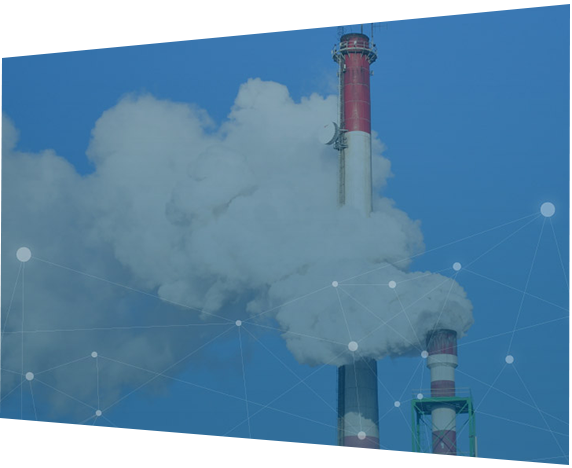
In 2024, ESG is an integral part of the corporate agenda. More and more organizations are realizing that sustainability is not a luxury, but a necessity. Things have to change if we want to offer future generations a livable world. Young people are increasingly critical of employers, they only want to work for companies that take their responsibility in the field of ESG. In addition, laws and regulations play a role. For example, the European Union’s Corporate Sustainability Reporting Directive (CSRD) requires companies to report on various ESG aspects. This directive applies to approximately 250 companies from January 1 of this year and will be further expanded from January 1 of next year. It won’t be long before smaller companies also have to report on their sustainability. If that is not already required of them by their customers.
Direct impact on ESG
What is the link between ESG and asset management? Organizations have a direct and indirect influence on the sustainability of their environment. For example, they directly produce emissions with their business facilities and vehicles (scope 1) and indirectly with their purchasing (scope 2) and their operational and other activities (scope 3). The maintenance of their assets has a direct impact on scope 1. Think, for example, of preventive maintenance, which extends the lifespan of an asset and thus reduces its footprint. Or remotely monitoring assets with AI, which means that technicians have to travel less. But there are also interfaces between ESG and asset management within scope 2 and 3. For example, is there no child labor involved in purchased assets? How clean are the goods produced with the company’s assets? And how safe are the working conditions during maintenance?
ESG reporting
Smartly recording and analyzing data about your assets and maintenance helps your organization perform better in the field of ESG and thus become more sustainable. IBM Maximo Application Suite (IBM MAS) offers extensive possibilities for this. With the collected data you can also create the necessary sustainability reports, the basis has already been laid. This enables your company to keep its finger on the pulse, comply with laws and regulations such as the CSRD and show the outside world what your ESG efforts are achieving. In a next blog about ESG we will tell you how to get started with this.
Look at all blogs


Would you like to discuss your asset management challenges?

Also curious about the possibilities?
Want to know more about the possibilities of IBM MAS? We are happy to think along with you about the practical application in your organization. Contact us via +31 (0)20 482 29 29 or info@gemba.nl.