
IBM Maximo Asset Monitor: the key to better asset performance
IBM Maximo Asset Monitor connects data sources and then displays them visually in a dashboard. This allows you to monitor business-critical assets in real time and intervene in a timely manner in the event of a malfunction. What are the elements of IBM Maximo Asset Monitor and how does it help you improve asset performance management?
 The 5 key factors of IBM Maximo Asset Monitor
- connecting data sources
- problem detection through AI
- faster action through detailed information
- predicting maintenance
- scalability
#1: Connecting data sources
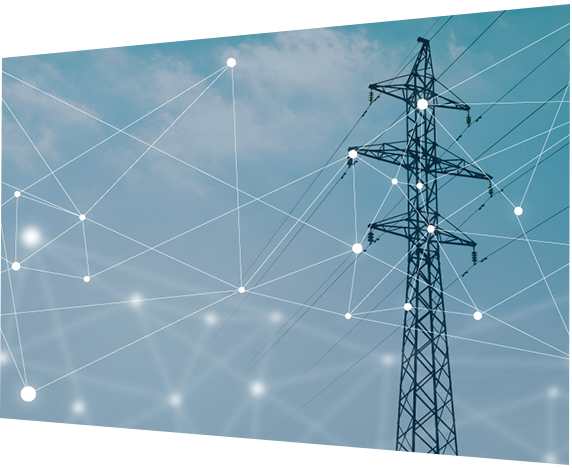
It is also possible to link data silos from different systems with IBM Maximo Asset Monitor. This includes, for example, data from SCADA and/or PLC systems. As a result, the complete history of different systems is bundled in one place and combined with current data.
#2: Problem detection through AI
The AI of IBM Maximo Asset Monitor makes it possible to distinguish between ‘false’ alerts, which are given a lower priority, and alerts that really need immediate attention. Your employees are therefore immediately deployed in the right place, and no time (and money) is lost.
#3: Faster action through detailed information
The teams that are going to solve signaled problems can zoom in on the collected data in great detail. This makes it quicker to find out where things are going wrong and they can take concrete action.
Any malfunctions that could later cause major problems are detected and resolved earlier.
#4: Predicting maintenance
Only with the right data and analyses can you accurately inventory what action is needed: creating or adjusting preventive maintenance schedules or planning overhaul or replacement.
All this prevents an asset from failing and the production chain from being interrupted. By also carrying out timely and smart maintenance, you can extend the lifespan of assets and replacement is needed less quickly.
SCADA and IoT as a powerful combination
An existing SCADA system does not become redundant with the introduction of IoT within an organization. After all, the need to control processes properly remains. However, SCADA systems can provide important information that can serve as input for IoT processes. The existing infrastructures within a SCADA system can also function as a gateway within the IIoT process. Data then becomes available within the IIoT ecosystem with which business process decisions can be taken. Conversely, an IIoT network can provide the SCADA system with important additional input. Consider, for example, the use of additional IIoT sensors that provide data with which the existing production parameters of a (non-closed) SCADA system can be adjusted. If well integrated with each other, a SCADA and IIoT system together form a powerful combination for your company.
SCADA #5: Scalability
The effects in figures
- 50% less production downtime by recognizing defects at an early stage and carrying out timely maintenance
- 60% reduction in personnel costs because fewer (interim) manual inspections are needed
- 20% less time required for maintenance due to smarter and more efficient execution of maintenance
Look at all blogs


Would you like to discuss your asset management challenges?

Want to know more?
Would you like to know more about the IBM Maximo Asset Monitor or the asset management solutions from Gemba[interne link naar ? Please contact Emile van Rijn: +31 (0)6 – 18 42 35 31 or e.vanrijn@gemba.nl.