Proving compliance for your assets: can you show that the maintenance is correct?
The maintenance on an asset has been carried out and the work order closed. But is it immediately clear which requirements applied, which procedure was followed, who did the work and what happened to any deviations? With all that information spread across systems, documents and spreadsheets, it takes a lot of time to complete the evidence for your compliance. How do you make sure that evidence is already created during maintenance and inspections?
 Scattered maintenance information makes compliance hard to prove
Maintenance data often sit in different places. You find the maintenance plan in the EAM system, the work instruction or SOP in a document management system and calibration data somewhere else again. Staff qualifications may be kept in HR or Excel. If an inspection finds a deviation, a separate quality process sometimes follows as well.
Each of those records can be in good order on its own, but it becomes difficult as soon as you need to show how they fit together. If an auditor asks about a critical asset, you want to show without a hunt when the last inspection, calibration or maintenance activity took place, which procedure applied, who did the work and what happened to a recorded deviation.
Which requirements apply differs by sector. In pharmaceuticals the GMP rules are of course important, while in other sectors safety, asset integrity, security of supply or machine safety carry more weight. The question remains the same: can you show that maintenance on your assets has been carried out according to the applicable requirements?
The same maintenance information needs to answer three questions
Quality, maintenance and asset management each look at the same information from a different interest. For quality and compliance, as mentioned, it is mainly about evidence: showing that the right activity was carried out at the right moment, according to the agreed procedure and by the right person.
Technicians need something else. In advance it must be clear what they have to do, which procedure they must follow and which inspection points they must check. Afterwards they record what they carried out and what they found. If a deviation comes out of that, it must also be clear who picks up the follow-up and how that is recorded.
The asset or maintenance manager then looks at the history that this creates. Which faults or deviations come back? Which assets generate a striking amount of follow-up work? Where are costs or risks rising? Information that is needed for compliance therefore also helps to substantiate maintenance decisions.
Those three questions differ, but they largely rest on the same data. If you keep them separately, extra registration work appears and the chance increases that links are missing.
Build the evidence into your maintenance process
Make evidence part of the maintenance process by recording during the work itself what was done, according to which requirement and with which result.
Take a critical pump for which a mandatory inspection, calibration or maintenance frequency applies. You link that requirement to the maintenance or inspection plan, after which a work order follows with the right instructions or a job plan. During execution the technician records what happened and what was found. Any deviations are recorded, and if needed a corrective action or additional work order follows.
That creates a logical chain:
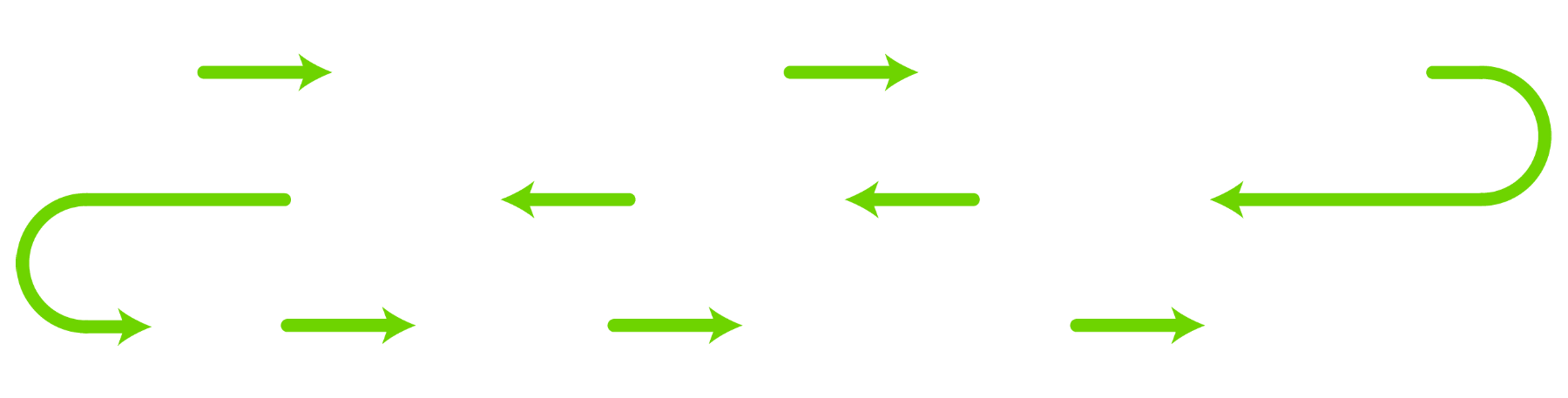
That chain provides traceability. From the maintenance history you can work back why the work was needed, which requirement and procedure applied, who carried it out and what the result was.
With IBM Maximo Application Suite (IBM MAS) you can, for example, link assets, maintenance plans, work orders, inspections and maintenance history. That does not mean all information has to move into Maximo. A validated document management system, quality system or HR system can keep its own role, as long as it is clear where the source information sits and how the relationship with the asset, the requirement and the execution is recorded.
One maintenance history for compliance and control
When evidence is part of the day-to-day maintenance process, the history is created during execution. Findings are recorded, deviations get a follow-up action and the link with the asset is retained. At an audit you therefore have to reconstruct less after the event and the information you need is available more quickly.
It also delivers something in operations. Technicians and work planners have more context for the job, while follow-up actions stay linked to the maintenance activity they came from.
For asset and maintenance managers, the same history becomes a source for decisions. If an asset keeps showing the same deviation, faults come back or maintenance structurally needs more time and materials than expected, you want to be able to see that. That information helps with choices on maintenance strategy, capacity, risks and replacement; you use your asset data better for targeted control.
Legal and sector-specific requirements always remain leading. Where your maintenance strategy leaves room, a reliable history does help you determine more precisely what is needed and why.
Compliance and maintenance then rest on the same information. You use the history not only to show that the work was carried out according to the requirements, but also to decide where maintenance, capacity or replacement is needed.

Want to know how IBM Maximo Application Suite (IBM MAS) helps you substantiate compliance more clearly from your maintenance process? Get in touch with Emile van Rijn on +31 (06) 18 42 35 31 or e.vanrijn@gemba.nl.
Look at all blogs

Would you like to discuss your asset management challenges?

Also curious about the possibilities?
Want to know more about the possibilities of IBM MAS? We are happy to think along with you about the practical application in your organization. Contact us via +31 (0)20 482 29 29 or info@gemba.nl.