
IBM Maximo inspection forms: five tips for optimal deployment
In our previous blog about the IBM Maximo inspection forms, we already told you about the benefits of this powerful instrument for your maintenance management. But how do you maximize the use of inspection forms? In this second and final blog, we provide five tips. You will immediately improve your maintenance inspections!
 Tip 1. First, consider what a maintenance inspection looks like
An inspection form is essentially a series of questions that you want an inspector or technician to answer in a logical and easy way. Before you create the form, it is therefore not only good to consider which inspection data you want to record. It is also important to connect with the practice and put yourself in the role of the inspector or technician. Therefore, before you create the form, first ask yourself a number of questions, such as:
- What exactly needs to be checked?
- How often does the maintenance inspection occur?
- What questions belong to the maintenance inspection?
- What is a logical question order?
- Which questions can you group together?
- What additional questions are needed for a specific answer, for example, if the condition of an asset is insufficient?
- Is a photo or video required with an answer?
- What follow-up actions are required for a specific answer?
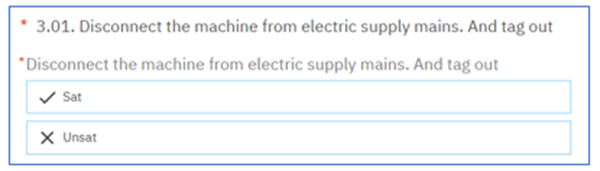
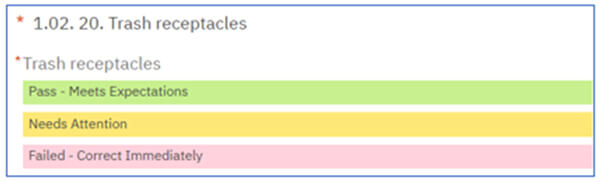
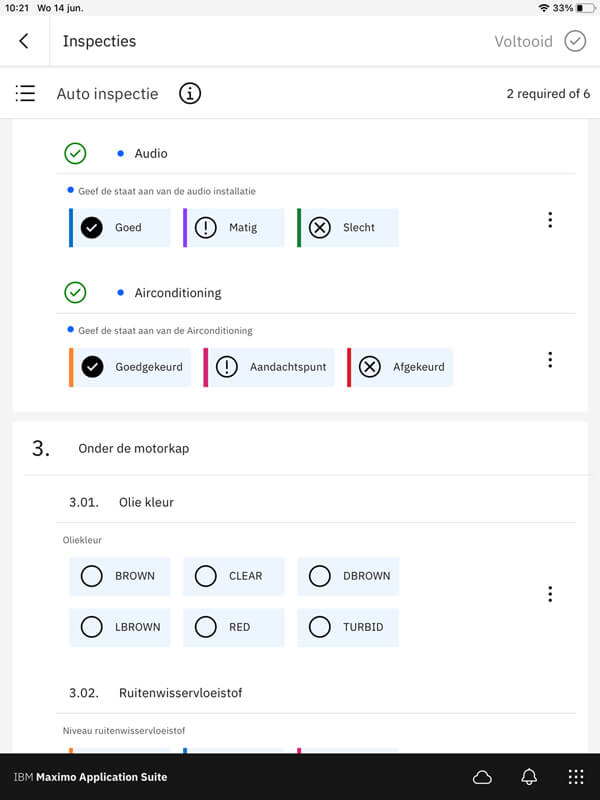
Then you get to work creating the form. After you have formulated a question, you define the answer and indicate whether it is mandatory to fill it in. Such an answer can be a choice from a series of answers, a numerical value, a date and/or time, a meter reading, a textual response, or the option to add an attachment, photo, or video. Where necessary, provide an explanation or instructions. Use colors and icons when visualizing the answers.
Tip 2. Enter all the questions before you start grouping them Since when have you been working at Gemba?
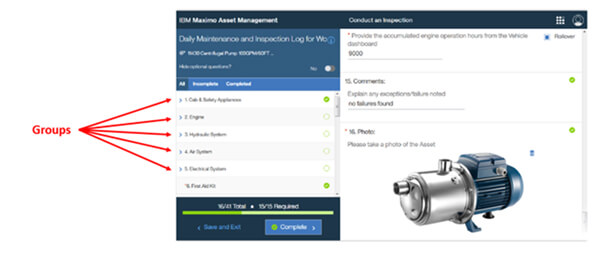
By grouping questions, you give structure to your inspection form and make it clear for your inspectors or technicians. First request a preview of the inspection form before you create a final version of it. This way you can be sure that your form is well put together and clear.
Tip 3. Add conditions to the answers
You can also attach conditions to a group of questions. For example, if the mechanic answers the question
Tip 4. Link your inspection forms to assets, task plans, and routes
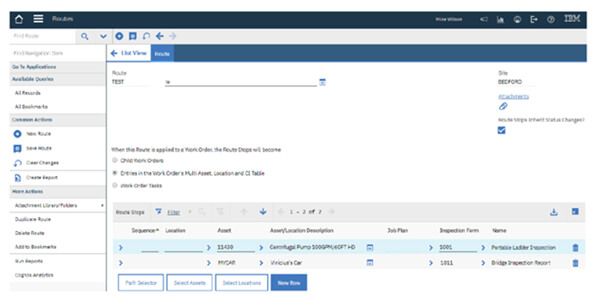
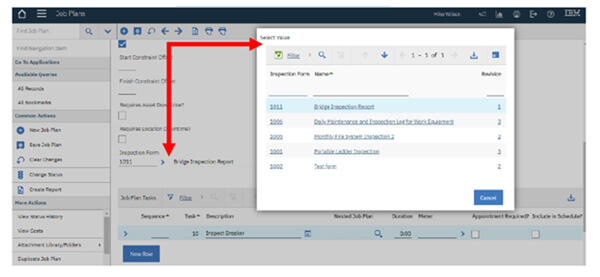
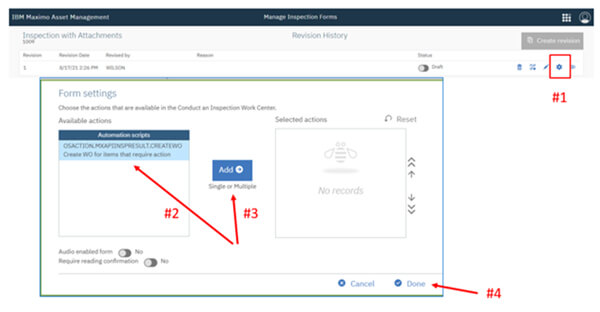
Tip 5. Automatically create follow-up actions
Look at IBM Maximo
- IBM Maximo


IBM MAS 9.2: what’s changing for management, AI and mobile working
Discover what IBM MAS 9.2 adds for management, AI, Manage, Mobile and Spatial. From the MCP server to smarter user management and less custom development.

Would you like to discuss your asset management challenges?

Also curious about the possibilities?
Want to know more about the possibilities of IBM MAS? We are happy to think along with you about the practical application in your organization. Contact us via +31 (0)20 482 29 29 or info@gemba.nl.